

MCAA is Leading on the Issues
Year after year, you can count on MCAA to take the lead on the issues that make a difference to you and your company. Here are just some of the issues we are working on in Congress and at federal regulatory agencies to protect your livelihood and set the stage for a bright future. Working in concert with other like-minded associations and with our labor partners at the United Association of Plumbers and Pipefitters, MCAA staff is on Capitol Hill and engaging regulators to make your voice heard.
What are MCAA’s Legislative and Regulatory Issues?
Below is a sampling of some of the current legislative and regulatory priorities established by MCAA’s Government Affairs Committee. You can read more about the specific bills and regulations MCAA’s advocacy is focused on in the weekly updates prepared each week Congress is in session.
All MCAA members are encouraged to get educated on the issues and to join our efforts on these and other federal advocacy matters. We need YOUR help to make our industry better!

Multiemployer Health & Defined Benefit Retirement Plans
POSITION SUMMARY:
MCAA works in coordination with the National Coordinating Committee on Multiemployer Plans (NCCMP) to protect and improve multiemployer health and defined benefit pension plans. This includes defending strong ERISA preemption to ensure our health and retirement plans are administered under uniform federal laws and regulations. As the healthcare reform debate continues, we educate legislators and regulators about multiemployer health plans and advocate to ensure that changes do not have adverse consequences for our plans, their sponsors, participants, or trustees. MCAA engages Congress, the Department of Labor, the Treasury Department, and the PBGC on issues affecting multiemployer defined benefit pension plans. This work includes advocacy on regulatory proposals impacting withdrawal liability, PBGC insurance rates, trustees’ duties concerning selecting plan investments, and voting proxies held by plans. MCAA is also involved in discussions on new multiemployer pension plan design options for pension trustees to consider, such as authorizing two-pool withdrawal liability for construction industry plans. MCAA helped to enact the Special Financial Assistance Program that has provided critical assistance ensuring the solvency of the most endangered multiemployer plans and the PBGC insurance system for multiemployer plans. We work to ensure continued proper administration of this program by the PBGC.
Federal Permitting Reform
POSITION SUMMARY:
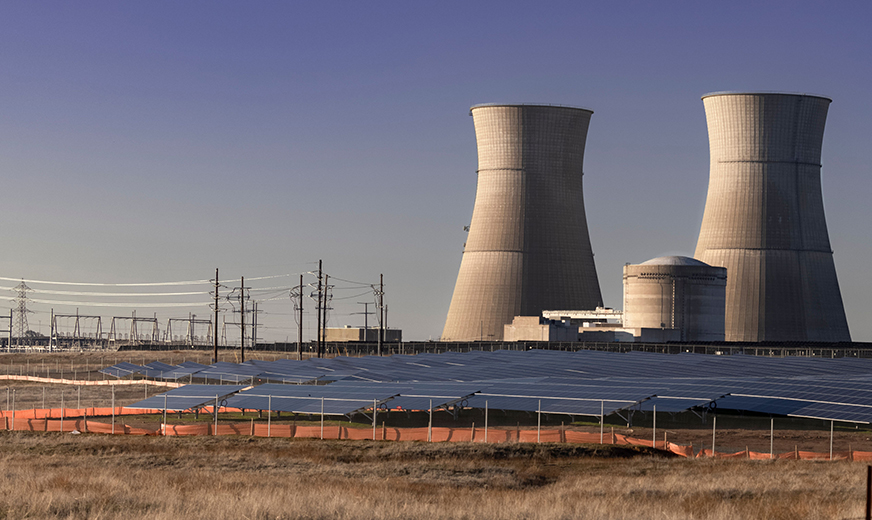
As an organization representing contractors of all sizes in all areas of the country, MCAA members know the importance of ensuring projects are completed on time and on budget. Today, far too many projects are delayed for years or cancelled outright due to complex and often redundant requirements for multiple administrative and legal reviews to obtain the necessary approvals. Delays in new project starts harm MCAA members who see projects disappear and capital evaporate as the permit review process extends beyond the planned timelines of owners and investors. MCAA believes a key factor in modernizing the nation’s infrastructure is streamlining the federal permitting process to reduce the delays in project development, particularly as they relate to power generation facilities, nuclear energy, oil and gas, data centers, and other important infrastructure critical to reshoring manufacturing to America. This is why MCAA strongly supported the ADVANCE Act in 2024 which streamlined permitting procedures at the Nuclear Regulatory Commission. We are actively advocating for federal legislative and regulatory reforms to federal permitting processes under laws such as the National Environmental Policy Act (NEPA) and the Clean Water Act. We are lobbying to set clearly-defined timelines for agencies’ environmental reviews, rationalize the scope of these reviews, reduce permitting-related litigation, and expand the use of categorical exclusions for recurring projects already determined to have limited environmental impacts.

POSITION SUMMARY:
MCAA advocates for policies that direct and incentivize increased public and private investment in the nation’s infrastructure to ensure that our public buildings, water systems, energy infrastructure, airports, manufacturing facilities, shipbuilding capacity, and transportation network—including pipelines—meet the demands of the 21st Century. MCAA has ensured that recent major infrastructure legislation, like the “Bipartisan Infrastructure Law,” has balanced federal investments in highways and roads with investments in buildings, utility service infrastructure, and water systems. MCAA engages on annual appropriations legislation and recurring reauthorization of significant infrastructure programs, like the National Defense Authorization Act (NDAA), Water Resources Development Act (WRDA), and the Surface Transportation Reauthorization to fund projects that allow MCAA members to build, improve, and maintain America’s infrastructure.

Project Labor Agreements
POSITION SUMMARY:
MCAA works to preserve the presumption in the Federal Acquisition Regulations that large-scale federal construction contracts should require a project labor agreement when feasible. We advocate against legislative and regulatory proposals that would curtail public procurement agencies’ authority to use project labor agreements on direct federal and federally assisted construction projects. MCAA also opposes any federal legislation and regulatory actions that would undermine incentives in federal laws, regulations, and funding notices that encourage states or local governments or private businesses to consider the use of project labor agreements as a matter of sound acquisition planning to assure adequate project workforce skills and availability to realize successful project performance.
Preservation of Davis-Bacon Federal Prevailing Wage
POSITION SUMMARY:
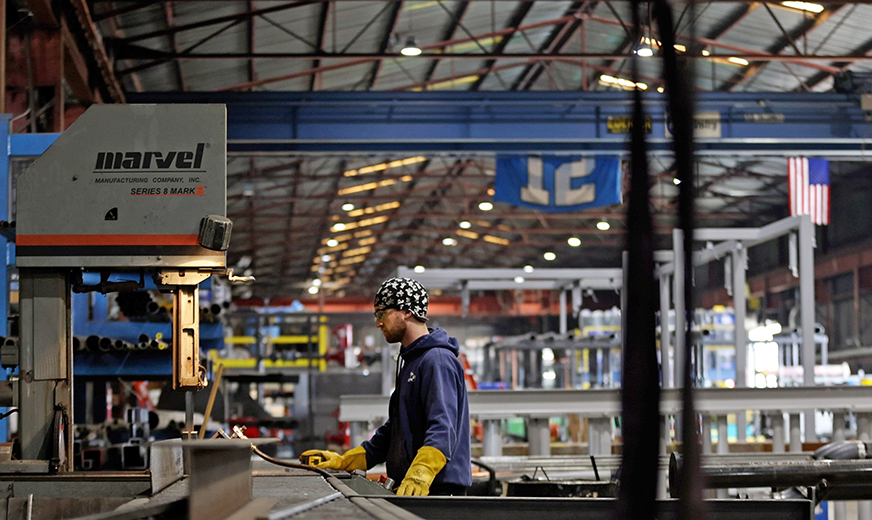
MCAA works to maintain and improve labor standards critical to ensuring a fair and level playing field in our industry, including Davis-Bacon federal prevailing wage. MCAA’s advocacy helps to ensure that the basic structure of Federal prevailing wage standards is not undermined in annual agency appropriations bills, authorizing legislation, or other legislative vehicles. MCAA also pursues administrative changes to U.S. Department of Labor rules and guidance and the Federal Acquisition Regulations to improve prevailing wage coverage, administration, and enforcement, and we advocate against regulatory changes that weaken federal prevailing wage.

Federal Contracting Reforms
POSITION SUMMARY:
MCAA advocates for commonsense reforms to the federal procurement process for construction and maintenance services. While these government contracts can provide a source of stable revenue for MCAA members, our member companies face financial risks from sometimes frequent changes in the scope of work and other requirements on government contracts that are unilaterally imposed by a federal client. That is why MCAA supports legislative and regulatory efforts to improve the federal contracting process, including contract payment and change order procedures. We are also engaged on issues related to the use of surety bonds on federally financed projects.

Curbing Worker Misclassification Abuse
POSITION SUMMARY:
MCAA continues to work for federal legislative and regulatory reforms that would curb widespread worker misclassification abuses and curtail unfair and illegal competitive advantages for unscrupulous firms in our industry. MCAA fights proposals that promote lax worker classification standards, and supports federal legislative and regulatory initiatives that allow labor and tax authorities to enforce existing worker classification standards and improve these standards for the construction industry. Our advocacy seeks to address rampant misclassification and promote fair competition for signatory employers and others in our industry who follow the law and work to ensure that construction remains a viable path to a middle class life for the industry’s workforce.

Preserving the Benefits of Registered Apprenticeship for Signatory Employers
POSITION SUMMARY:
MCAA monitors and engages on legislative proposals and regulatory initiatives related to workforce training and apprenticeship programs to ensure that they do not undermine the benefits of registered apprenticeship programs for MCAA member firms. We also advocate to maintain strong standards for registered apprenticeship programs and their sponsors. At the same time, MCAA is working to roll back overly burdensome regulatory mandates on sponsors of registered apprenticeship programs that are not necessary to ensure the quality or effectiveness of these programs.

Promoting Various Tax Reform Improvements
POSITION SUMMARY:
MCAA advocates for tax policies that allow members to retain more of their earnings so that they can provide middle class wages and benefits to their workers and make a fair profit for the risks they take. We have helped to secure tax policies that incentivize the development of nuclear power, oil and gas, carbon sequestration, hydrogen, and other energy development that will give our nation the power it needs to grow and prosper. MCAA has worked to secure and expand tax credits and deductions for energy efficiency retrofits for commercial and industrial facilities, industrial waste heat recovery investments, and to maintain and expand tax credits and expensing for HVAC equipment and fire sprinkler installation in commercial and residential facilities.
MCAA helped to repeal the Cadillac Tax limiting the deductibility of employer provided healthcare for high value insurance plans, like the collectively bargained multiemployer health plans in which MCAA members participate, and fought off efforts to enact similar proposals. Through the One Big Beautiful Bill Act (OBBBA) in 2025, MCAA helped to renew and make permanent the 20% business income passthrough deduction, immediate expensing of qualified business property, the bonus depreciation deduction. MCAA advocacy also helped to win an increase in the CHIPS and Science Act’s advanced manufacturing investment credit. MCAA remains engaged on implementation of OBBBA and discussions around future reconciliation bills that are often the vehicle for significant changes to the tax code.
Government Affairs Update
As part of its ongoing commitment to protecting your mechanical business and setting the stage for a bright future, the MCAA Government Affairs Committee (GAC) offers the latest developments impacting our industry in our Government Affairs Updates.
GOVERNMENT AFFAIRS COMMITTEE
The Government Affairs Committee drives MCAA’s federal advocacy, shaping policy, building relationships with lawmakers, and promoting industry interests through strategic outreach and grassroots efforts.
GOVERNMENT AFFAIRS UPDATES
-
MCAA Government Affairs Update for the Week of March 9, 2026: The Latest Developments Impacting Our Industry
As part of its ongoing commitment to protecting your livelihood and setting the stage for a bright future, MCAA has secured the services of Longbow Public…
-
MCAA Government Affairs Update for the Week of March 2, 2026: The Latest Developments Impacting Our Industry
As part of its ongoing commitment to protecting your livelihood and setting the stage for a bright future, MCAA has secured the services of Longbow Public…
-
MCAA Government Affairs Update for the Week of February 9, 2026: The Latest Developments Impacting Our Industry
As part of its ongoing commitment to protecting your livelihood and setting the stage for a bright future, MCAA has secured the services of Longbow Public…
-
MCAA Government Affairs Update for the Week of February 2, 2026: The Latest Developments Impacting Our Industry
As part of its ongoing commitment to protecting your livelihood and setting the stage for a bright future, MCAA has secured the services of Longbow Public…
-
MCAA Government Affairs Update for the Week of January 26, 2026: The Latest Developments Impacting Our Industry
As part of its ongoing commitment to protecting your livelihood and setting the stage for a bright future, MCAA has secured the services of Longbow Public…
-
MCAA Government Affairs Update for the Week of January 19, 2026: The Latest Developments Impacting Our Industry
As part of its ongoing commitment to protecting your livelihood and setting the stage for a bright future, MCAA has secured the services of Longbow Public…
-
New Federal Tax Deduction for Qualified Overtime Compensation
The “One Big Beautiful Bill Act” (OBBBA) created an above-the-line federal income tax deduction for “qualified overtime compensation.” This applies to overtime mandated by the federal…
-
MCAA Government Affairs Update for the Week of January 12, 2026: The Latest Developments Impacting Our Industry
As part of its ongoing commitment to protecting your livelihood and setting the stage for a bright future, MCAA has secured the services of Longbow Public…
-
MCAA Government Affairs Update for the Week of December 22, 2025: The Latest Developments Impacting Our Industry
As part of its ongoing commitment to protecting your livelihood and setting the stage for a bright future, MCAA has secured the services of Longbow Public…
-
MCAA Government Affairs Update for the Week of December 15, 2025: The Latest Developments Impacting Our Industry
As part of its ongoing commitment to protecting your livelihood and setting the stage for a bright future, MCAA has secured the services of Longbow Public…
-
MCAA Government Affairs Update for the Week of November 24, 2025: The Latest Developments Impacting Our Industry
Sorry, but you do not have permission to view this content.
-
MCAA Government Affairs Update for the Week of November 17, 2025: The Latest Developments Impacting Our Industry
As part of its ongoing commitment to protecting your livelihood and setting the stage for a bright future, MCAA has secured the services of Longbow Public…
Advocacy
Support MCAA’s Advocacy Efforts
MCAA is working in Washington to advance our industry’s future. Take a moment to participate and support your Political Action Committee. Have your voice heard! You can make an impact on the future of the industry and your business by contributing to the MCAA PAC today.