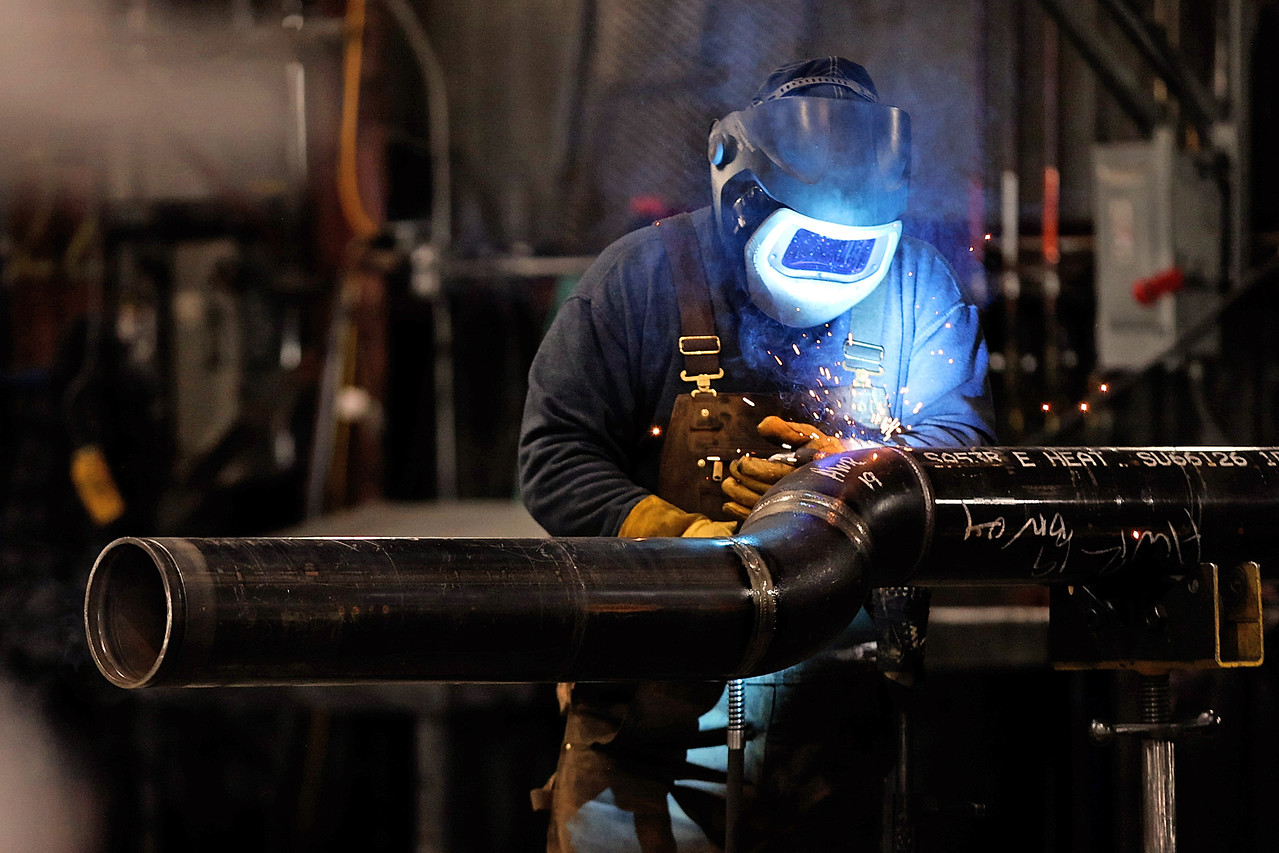
NFPA 70E – 2021 states that each employer shall implement and document an overall electrical safety program that directs activity appropriate to the risk associated with electrical hazards. This model program, which is based largely on information from NFPA 70E – 2021 articles 110 – General Requirements for Electrical Safety-Related Work Practices, 120 – Establishing an Electrically Safe Work Condition, and 130 – Work Involving Electrical Hazards, will help you develop an electrical safety program that is specific to your company’s needs.
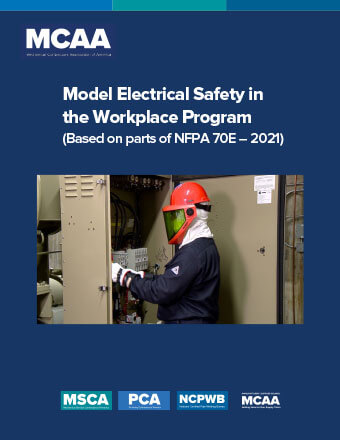
Model Electrical Safety in the Workplace Program (Based on parts of NFPA 70E – 2021)
Formats for Download
Related Resources
Description:
OSHA’s Workplace Stress page offers a collection of practical, ready‑to‑use resources designed to help employers and workers address stress and support mental well‑being on the job. The site provides guidance for reducing workplace stressors, training materials to help supervisors and employees recognize and respond to signs of distress, and a variety of outreach tools—such as posters, toolkits, and communication aids—that organizations can use to build awareness and strengthen a supportive, mentally healthy workplace culture.
Description:
The Construction Industry Alliance for Suicide Prevention (CIASP) is dedicated to fostering a culture of care in which mental health is valued as deeply as physical safety. This resource hub provides practical tools, educational materials, and jobsite ready conversation starters tailored specifically for the construction workforce. Whether you’re a foreman, safety professional, project leader, or industry partner, these materials equip you to recognize warning signs, support your team, and take meaningful action toward suicide prevention. Together, we can strengthen our industry by protecting and supporting the well being of every worker—on and off the jobsite.
Description:
The UA/MCAA Mental Health Toolbox Talks are easy to reference, quick to use, and a great way to start or continue the conversation on mental health awareness and suicide prevention in construction at your company.
Description:
In 2025, MSCA conducted a comprehensive benchmark survey to obtain current data on key performance indicators (KPIs) in the HVACR and plumbing service industry. The results were very insightful and sure to be beneficial to all MSCA members. The full report is now available, results are presented in two formats, one is overall results and the second is broken down by company size which can provide specific insight relevant to your company.
Description:
MCAA is committed to stemming our industry’s high suicide rates by breaking down the stigma surrounding mental health. Over the last year, MCAA partnered with the UA, NECA, SMACNA, and TAUC to distribute over 100k 988 awareness hard hat stickers and chips. At the same time, we built a comprehensive mental health program that includes dozens of toolbox talks and a world-class mental health awareness and suicide prevention video.
Description:
What is Microbiologically Influenced Corrosion (MIC) and why do contractors need to know anything about it? Well, it turns out that MIC can negatively affect your profits.
Description:
An OSHA inspection can be a routine day if you are prepared. This resource prepares supervisors to manage an OSHA inspection, from the opening conference to the inspection, to the closing conference, and post conference; and what to do if you receive a citation.
Description:
On occasion we get questions from our members who would like to use backing flux in lieu of purging when making welds on stainless steel or other corrosion resistant materials. This bulletin describes an experiment conducted by NCPWB Consultant Walter Sperko where he had a colleague make stainless steel butt welds without any protection of the root of the weld, with inert gas backing, with backing flux and with flux-coated wire.