The use of BIM and related technologies and processes that leverage data from models is delivering meaningful impact to mechanical and HVAC contractors on a wide variety of measures, including cost and schedule improvements, enhanced productivity, better collaboration between stakeholders and better worker safety. This research report quantifies other benefits to users and the challenges related to leveraging BIM to increase industry understanding of which factors will most effectively drive growth and expand future use.
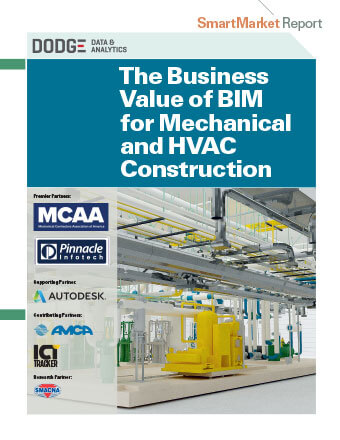
The Business Value of BIM for Mechanical and HVAC Construction SmartMarket Report
Formats for Download
Related Resources
Description:
In 2025, MSCA conducted a comprehensive benchmark survey to obtain current data on key performance indicators (KPIs) in the HVACR and plumbing service industry. The results were very insightful and sure to be beneficial to all MSCA members. The full report is now available, results are presented in two formats, one is overall results and the second is broken down by company size which can provide specific insight relevant to your company.
Description:
MCAA is committed to stemming our industry’s high suicide rates by breaking down the stigma surrounding mental health. Over the last year, MCAA partnered with the UA, NECA, SMACNA, and TAUC to distribute over 100k 988 awareness hard hat stickers and chips. At the same time, we built a comprehensive mental health program that includes dozens of toolbox talks and a world-class mental health awareness and suicide prevention video.
Description:
What is Microbiologically Influenced Corrosion (MIC) and why do contractors need to know anything about it? Well, it turns out that MIC can negatively affect your profits.
Description:
The UA and its signatory contractor partners are experiencing unprecedented labor and construction demand, helping them grow union market share. A unionized workforce provides the stability needed to attract new contractors and secure owner commitments to union labor. This stability depends on reliable, cost-effective resources for resolving jobsite and bargaining disputes—resources that have been disrupted by the current Administration’s effective shutdown of the FMCS. This White Paper proposes the Industrial Relations Council (IRC) as a faster, more affordable, and effective alternative for keeping it within our industry.
Description:
This session addresses the challenges that arise when work stoppages occur directly with a member firm’s employees, such as strikes at contract expiration. It reviews primary picketing, “wobbles,” and strikes resulting from a labor impasse. The discussion also highlights key considerations, including the strike manual, interim agreements, violations of no-strike clauses, and the requirement to notify the FMCS.