
Creating clear, competitive, and professional plumbing estimates is key to securing projects. Whether it’s small installations or large commercial projects, the accuracy and presentation of your estimates can set you apart in the highly competitive plumbing industry, which has more than 70,000 contractors in the United States alone.
As materials and labor costs fluctuate, it’s essential to stay ahead of the curve by using the best tools and strategies. Below, McCormick Systems, Inc. offers eight ways to improve your plumbing estimates and win more projects.
- Use a Trade-Specific Estimating Database A general estimating tool may overlook the specifics of plumbing, such as material and labor requirements. For instance, a commercial restroom renovation requires special assemblies such as PEX or copper pipe installations, backflow preventers, and fixtures that comply with Americans with Disabilities Act requirements. Trade-specific estimating software like McCormick’s ensures these details are factored in, reducing costly oversights.
- Build Strong Relationships With Material Suppliers Fluctuating material costs and delays can affect your estimates. Strong relationships with suppliers can lead to better pricing and timely delivery. For example, a supplier’s bulk discounts on copper pipes can improve your bid for large-scale plumbing projects. Real-time pricing updates through estimating software can further enhance accuracy, allowing you to adjust bids as prices fluctuate.
- Factor in Labor Costs Accurately Labor is a significant portion of any estimate. For more accurate bids, account for wage rates, local labor regulations, and job complexity. In certain settings, such as a hospital buildout requiring specialized medical gas piping, additional labor costs should be reflected in your estimate. Construction estimating and takeoff software allows you to integrate up-to-date wage rates directly into your bids for streamlined estimating.
- Account for Permit and Compliance Costs Many plumbing projects require permits, inspections, and compliance with local plumbing codes. Including these costs upfront prevents unexpected expenses. For example, when bidding on a multistory office building, include the cost of backflow preventer testing and certification. Properly factoring in compliance costs will help avoid cutting into your profit margin later.
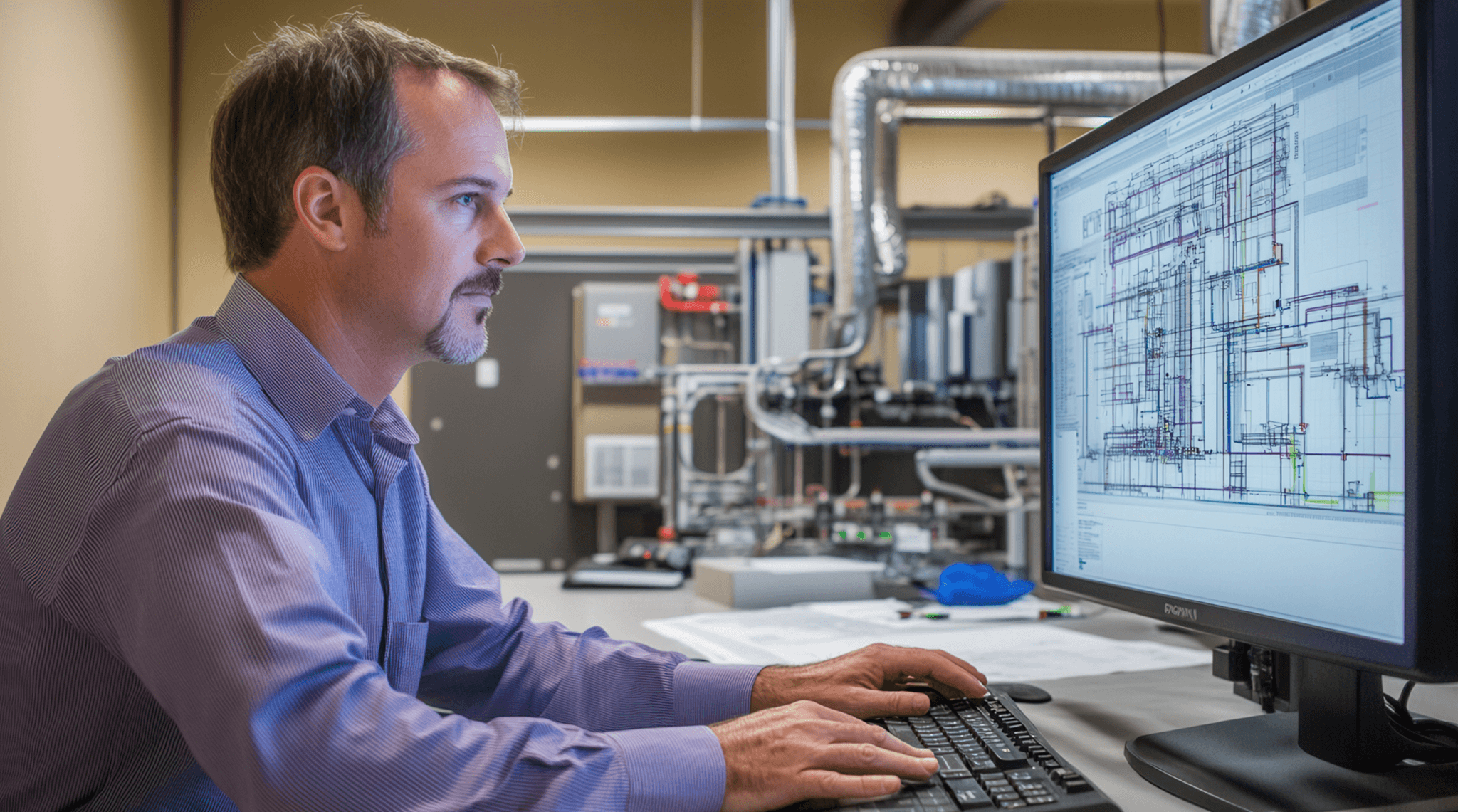
- Use Takeoff Software for Precision Manual estimating methods leave room for error. Takeoff software like McCormick’s ensures accuracy by quantifying materials, measuring pipe runs, and identifying fixture requirements directly from blueprints. For a hotel plumbing installation, for instance, digital tools can quickly calculate the number of toilets, sinks, and water heaters needed per floor, reducing the risk of over- or underestimating.
- Capitalize on Templates and Pre-Built Assemblies Estimating from scratch can be time-consuming. Pre-built templates and assemblies streamline the process, ensuring consistency and accuracy. For example, selecting a “standard sink installation” assembly will automatically include necessary components like sinks, supply lines, and labor costs, which helps speed up the estimating process for large-scale projects.
- Prepare for Supply Chain Challenges Material shortages and delays are common in the plumbing industry. Anticipate these challenges by factoring in alternative suppliers and substitute materials in your estimates. If your supplier is delayed on PVC fittings, for instance, your estimate will already specify an alternative, such as cast iron, and the adjusted pricing and installation time. Regularly tracking available inventory ensures your estimates are based on the most current data.
- Automate Pricing Updates to Stay Competitive Material prices for copper, PVC, and other plumbing materials change frequently. Automated pricing updates in estimating software from McCormick and others enables your bids to reflect the most current prices, keeping you competitive without sacrificing margins. Consider a multiphase municipal water system upgrade, for example: automated updates help adjust the estimate if material costs rise during the course of the project.
For more tips, read McCormick’s blog post, How to Write a Construction Bid and Win More Jobs: https://www.mccormicksys.com/blog/how-to-write-a-construction-bid-and-win-more-jobs/
The Power of Accurate Estimates
A well-structured estimate is key to building client confidence and securing more work. By clearly presenting costs—broken down into materials, labor, and permits—you establish transparency from the outset.
Get more advice from McCormick on avoiding common construction estimating mistakes: https://www.mccormicksys.com/blog/most-common-construction-estimating-mistakes-and-how-to-fix-them/
Including project timelines, warranties, and service terms reinforces your professionalism and attention to detail. Refining your estimating process through digital tools and supplier relationships helps you create more competitive, accurate bids. These resources allow you to present comprehensive proposals and position your business as the go-to plumbing contractor for any job.
For more information, visit www.mccormicksys.com.